
Last update:
Returns are an inevitable part of running an e-commerce business. While they can't be eliminated, a well-designed return process can reduce operational costs, improve customer satisfaction, and encourage repeat purchases. In this guide, you'll learn how to create an effective return policy, tailor it to different product categories, and automate your return workflow as your business grows.
Much of the early return experience depends on how easily the customer can move from getting the return instructions to handing the package off. In practice, merchants usually rely on three common approaches.
A merchant can email the label or make it available through a returns page on the website. This is simple to manage, but the customer still needs to find it and print it.
Some merchants include a prepaid return label inside the original package, so customers already have one if they need to make a return. This eliminates the need for customers to print a label themselves, creating a more convenient return experience. However, this approach also increases printing costs for businesses and is less environmentally friendly, as many pre-printed return labels are never used.
Providing no-label shipping is a win-win solution compared to the two methods above. Customers don't need to print a return label themselves, while businesses avoid the cost and waste of printing labels that may never be used. With ShipSaving, you can generate USPS QR Codes, FedEx QR Codes, and UPS Barcodes for your return shipments. Customers simply bring their packaged item and the QR code or barcode to the store, where a store associate prints the shipping label for them. This streamlined process saves time, reduces costs, and creates a more environmentally friendly return experience.
A return policy should do more than simply state whether returns are accepted. It should clearly define the expectations and responsibilities for both customers and merchants, helping prevent confusion before a return even begins.
At a minimum, merchants should clarify:
A clear, well-defined return policy helps reduce customer questions, minimizes disputes, and creates a smoother return shipping process for everyone involved.
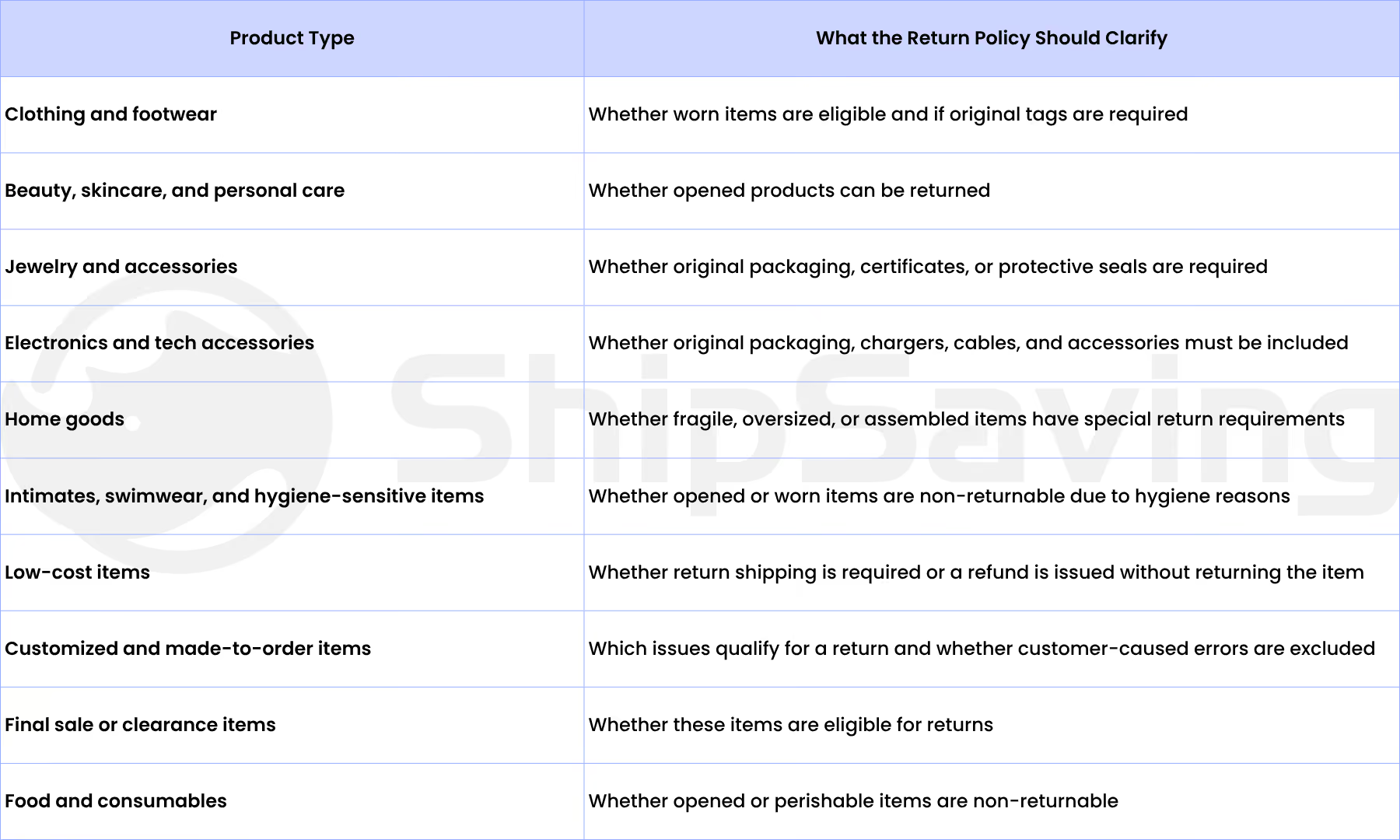
Different products need different return rules. Product type affects what can be returned, what can be resold, and which rules should be clear from the start.
Returns get harder to manage when every step is manual. Small tasks start to pile up fast. Automation helps reduce repeat work and makes the process easier to manage.
Shipping rules can help simplify returns by automatically applying the right package setup based on the item being returned. For example, for an accessories seller, when the item name is "necklace," the system can automatically apply a poly mailer package template instead of choosing packaging details manually each time. That helps reduce repeat work, speeds up label creation, and keeps return processing more consistent.
Not just from the carrier. Branded return pages and messages help keep that experience connected to your business, so the return feels easier to follow and less confusing.
That matters because return questions often start after the package is sent back. Customers want to know where the return is, when it will arrive, and when the refund will be processed. Clear status updates can reduce that uncertainty and cut down on support questions. ShipSaving also supports automated tracking emails, which help keep customers informed as return shipments move through the carrier network and make those updates easier to manage.
Making return shipping easier is about making each stage clearer and easier to manage.
From label access and drop-off to tracking visibility and return processing, small improvements can make returns easier to complete and easier to follow. With ShipSaving, merchants can create labels, compare carriers, track return shipments, and send automated tracking emails in one place. Sign up for a free ShipSaving account to simplify your return shipping workflow.
Written on: